
წკეპლა მოგცეს, დაიქნიე,
მას გამოჰყვა ტკბილი ჰანგი,
და გაიხსნა მედიდური
მუსიკოსთა მწყობრი თანგი.
…
წკეპლა ჩემი პატარაა,
გული კი აქვს მაგარია.
კაცის ხელში კარგა იცის
მტყუანი და მართალია.
დავუჯეროთ წკეპლის ქნევას,
ჰანგნი ზეცას გააცილოს.
ერთობა და ერთგულება
მთელ ქვეყანას მოაფინოს!
„წკეპლა“ (სადირიჟორო ჯოხი)
(ტექსტის ავტორი უცნობია)
Composer Giorgi (Zhora) Tavkelishvili (06.05.1913-10.03.2002)
The creative work of composer Giorgi (Zhora) Tavkelishvili is closely related to his native land – the settlement Koshki near the village Shindisi of Gori District in the valley of the river Liakhvi (therefore when participating in competitions on composition he chose such pseudonyms as “Koshkeli” – the native of Koshki, “Liakhvispireli”- coming from the river Liakhvi valley). His native corner had always been the source of inspiration for him. The composer’s creative work was sufficiently well known to his contemporaries. Due to the difficult financial situation in the family the third-year student of the Conductor’s Faculty of Tbilisi State Conservatoire Giorgi (Zhora) Tavkelishvili had to leave the conservatoire and start to work. In 1934 he entered the Finance Department of the Economic Faculty of Tbilisi State University, which he graduated from with a diploma in finance. During his student days he also performed on the stage of the State Young Spectators’ Theater, appeared in the play “Surami Fortress”, in which he impersonated the janissary, and in other plays.
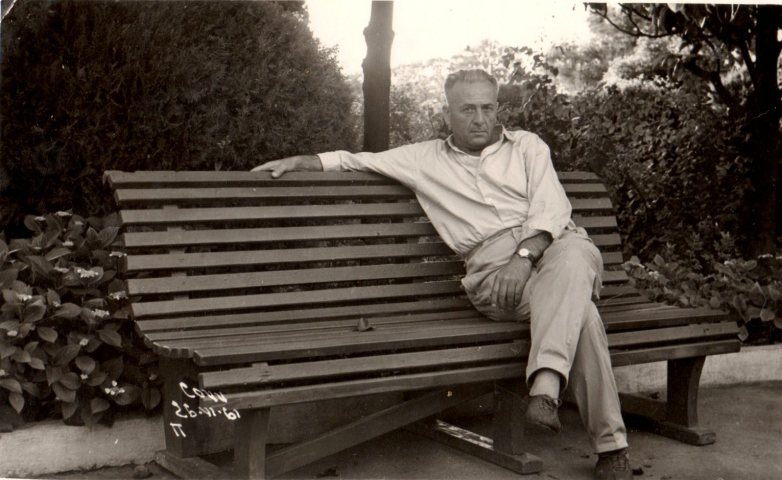
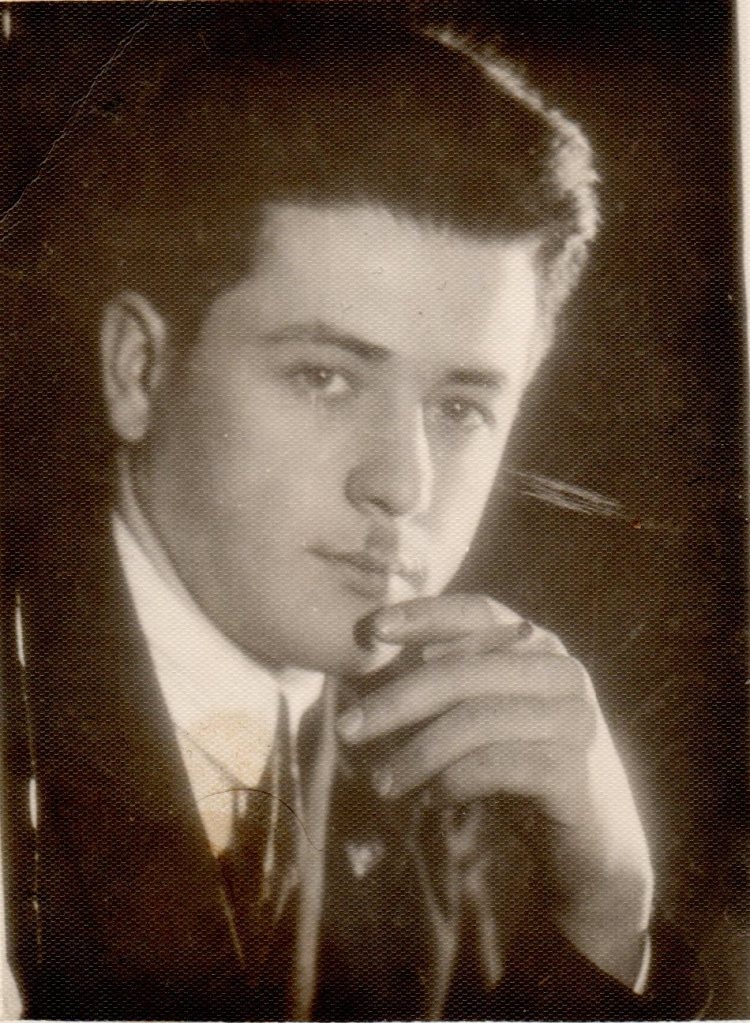


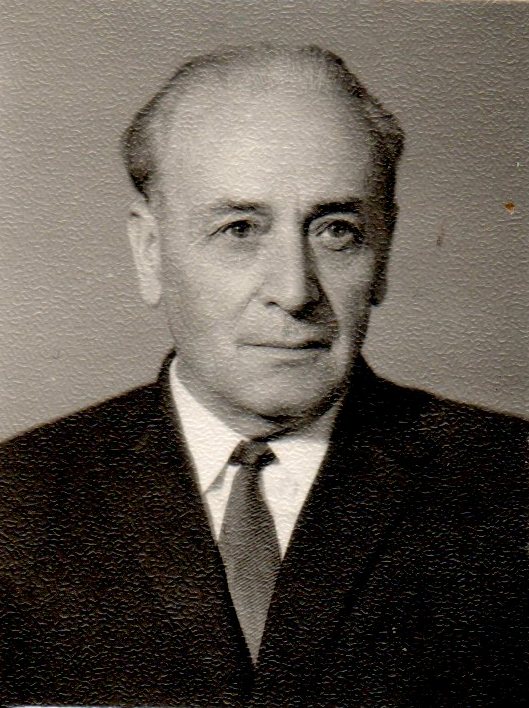
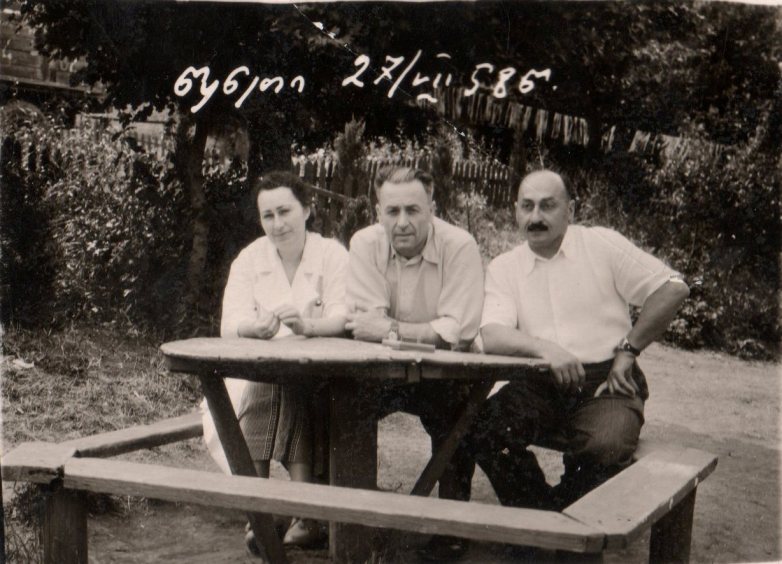
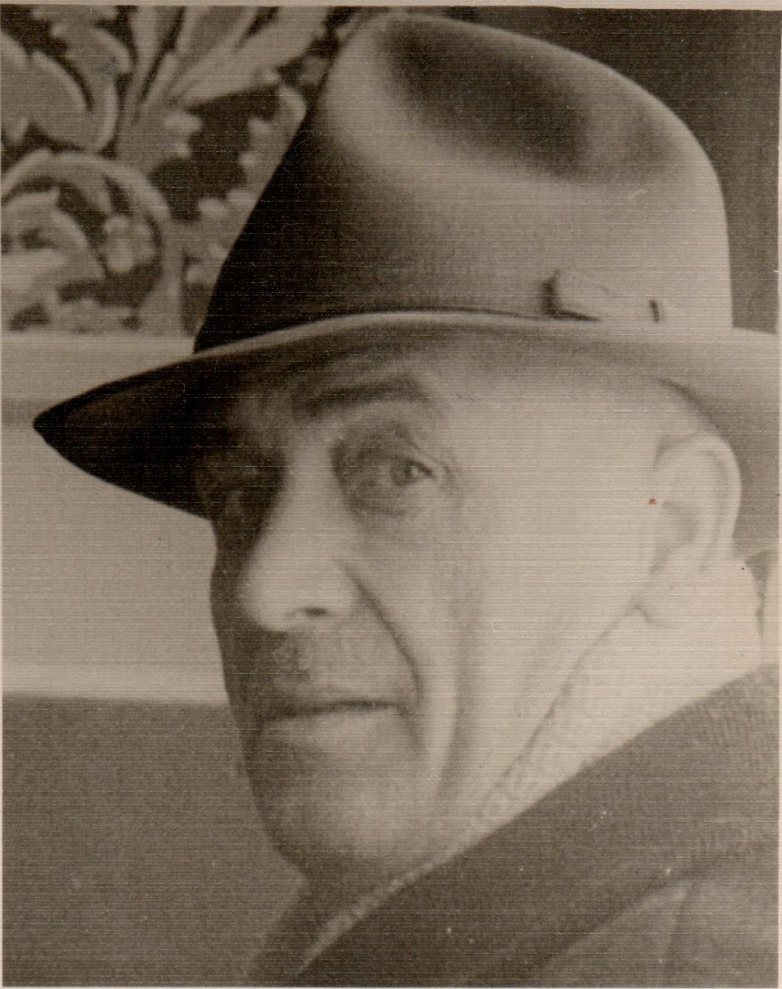
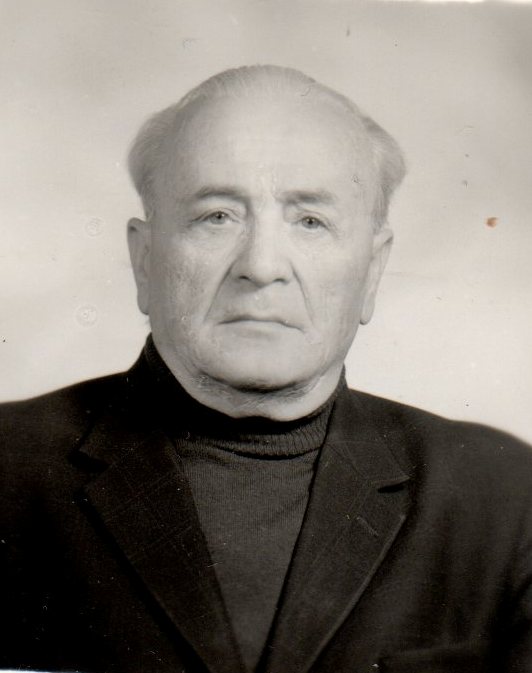


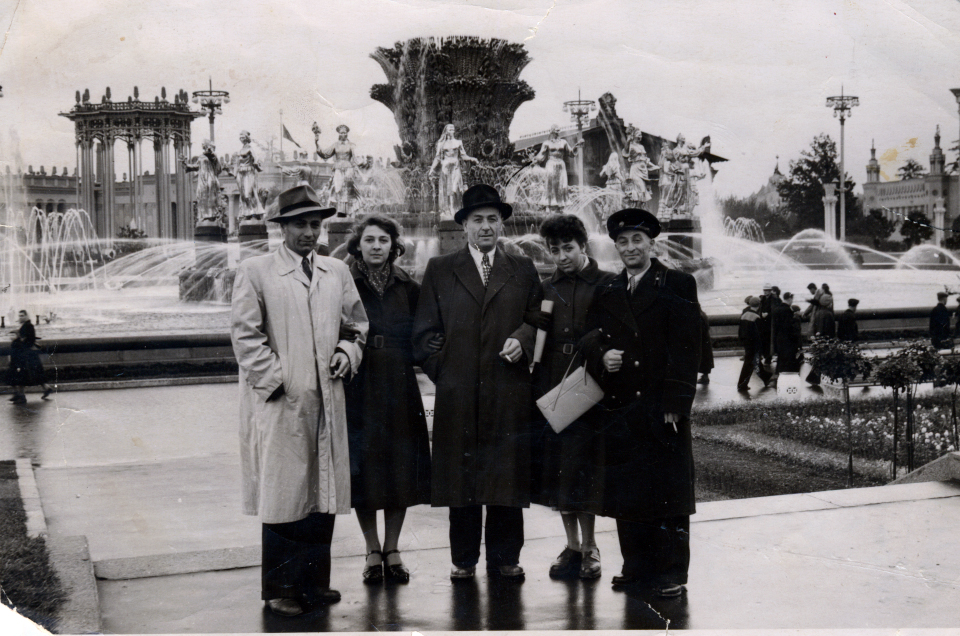





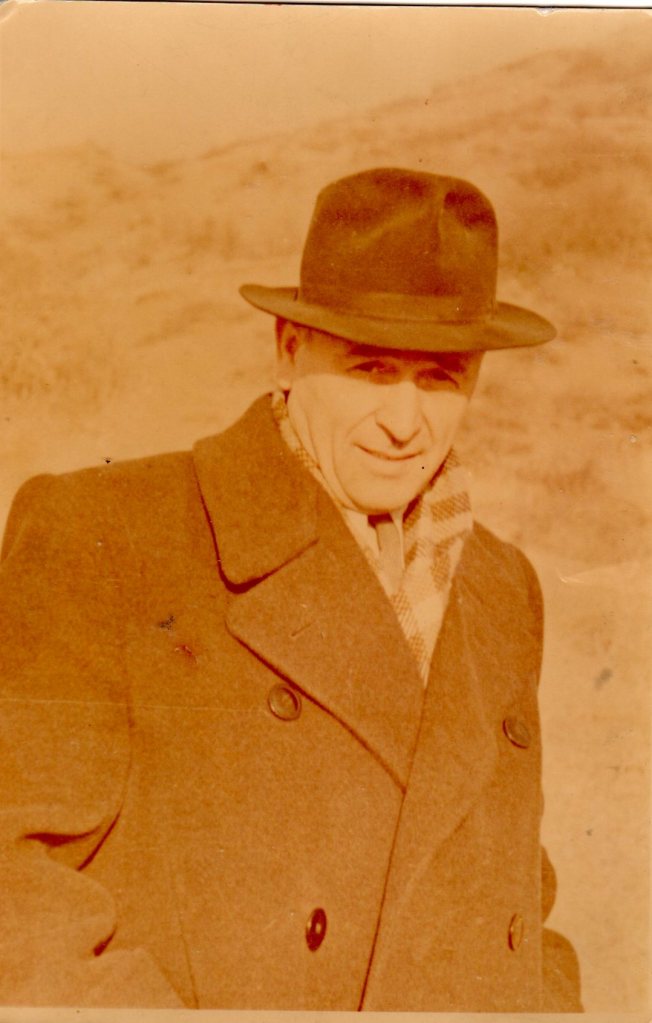
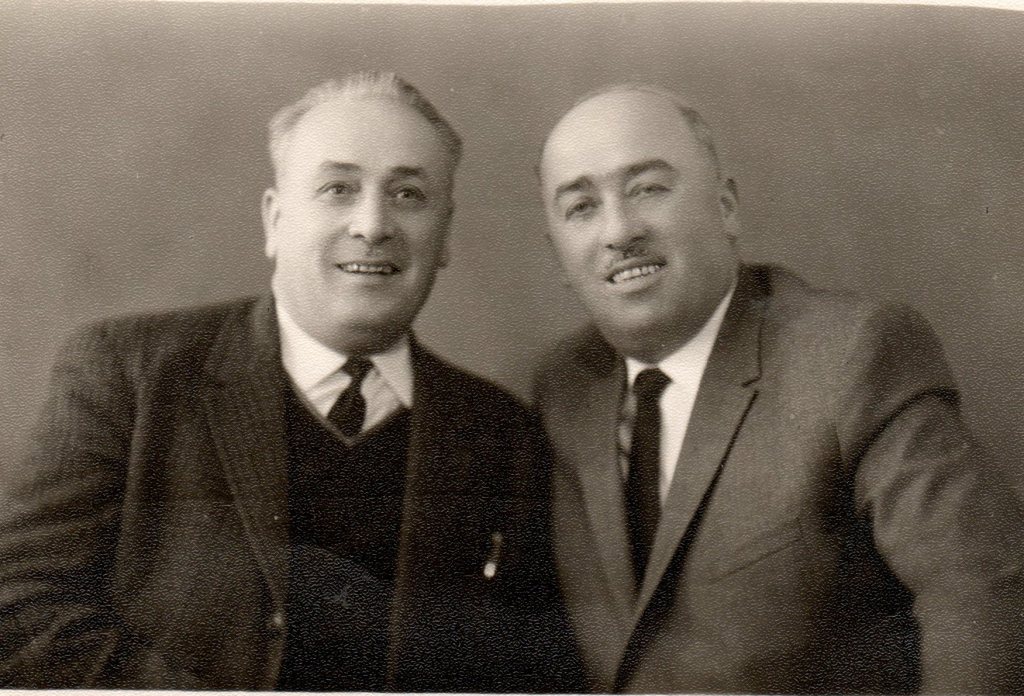

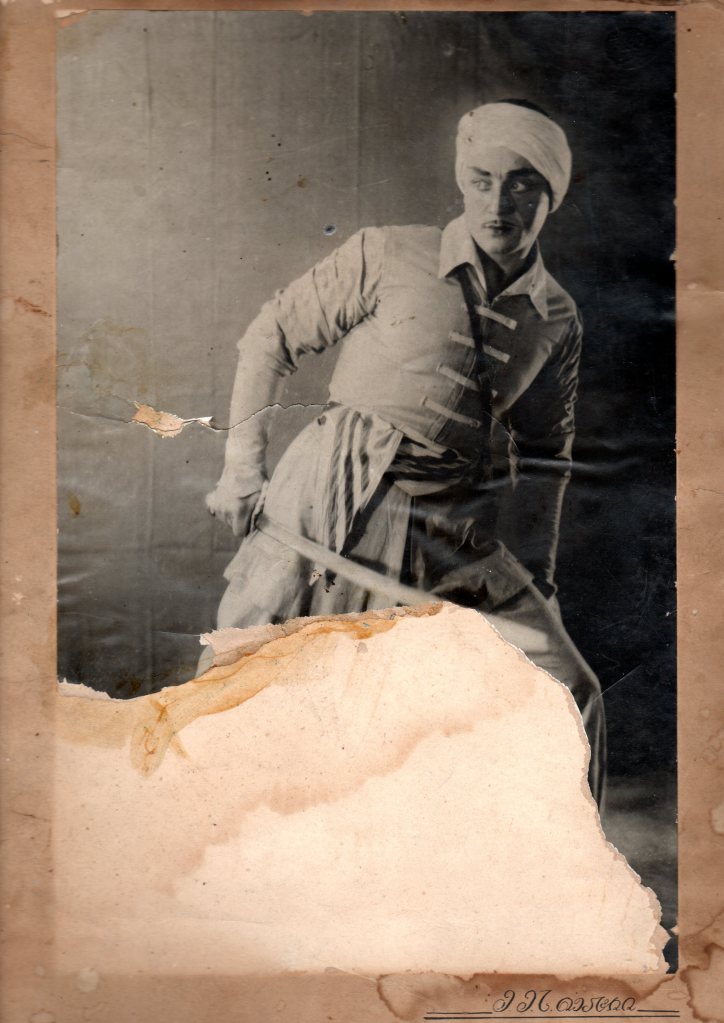
His love for music became rooted in him as early as in his school years when he attended № 15 Tbilisi labour school, while in the period of studying at Tbilisi State University he played the trumpet in the university amateur arts orchestra, conducted the orchestra. The love for music accompanied him in the course of his life. The composer created symphonic music on contemporary and historical motives, on the themes of the creations of Georgian classical and Soviet authors: he created the cantata “Meditations on the Bank of the Mtkvari” for the symphonic orchestra (1968), dedicated to the 150th anniversary of the poet Nikoloz Baratashvili (1968), the requiem “The White Cob” to the text of the poet Shota Nishnianidze (1990). “The Georgian Waltz” (“To the Cosmonauts”) created for the symphonic orchestra was performed and recorded by the Georgian Radio Symphonic Orchestra (conductor G. Azmaiparashvili), and the recording was broadcasted by the All-Union radio. Worth mentioning is also the quintet “Darbaisluri” (1969) and the symphonic poem for orchestra “Darbaisluri” (1975). The Tbilisi State University Quintet (for woodwinds) performed “Darbaisluri” at a grand meeting.

In the creative work of composer Giorgi (Zhora) Tavkelishvili patriotic themes come to the front: the oratorio “Didi Mouravi” (Giorgi Saakadze), the work on which he began as early as in 1963-1964 and continued to work on it in the course of his life. Regretfully there are only single parts of the oratorio because during the last years of his life due to grave illness the composer was not able to accomplish this work.
When in 1969 the poet-academician Irakli Abashidze was 60 years of age, during anniversary celebrations on the pages of the All-Union and republican press his poem “A Hymn to Life on the Earth” was published, which inspired the composer Giorgi Tavkelishvili to create an oratorio “A Hymn to Life on the Earth” in four parts (1970). In the oratorio he uses Georgian folk melodies in such a way that there is not even an attempt to fully use a Georgian song, and in no instance does he allow a semblance-repetition of any folk song, which gives him a credit as a composer. In the oratorio the composer shows convincingly the struggle between the good and evil, ending in the victory of the good – the hymn. In conclusion, in the coda of oratorio the awakening of peoples of the world, the establishment of peace among nations is clearly felt. The oratorio has a universal character and is the herald of peace on the earth. “In the oratorio “A Hymn to Life on the Earth” the national color of Georgian people is expressed clearly; it is very emotional; its orchestration is splendidly done by the composer Giorgi Tavkelishvili himself.” (This is an excerpt from the article of Alla Terk – the prize winner of the All-Union competition of music experts.)
The composer has many more works of various genres created on various themes. Among them there are numerous lyrical urban and love songs, patriotic and children’s songs. Worth mentioning are also such pieces as “The Peace March” for the brass band (1987), “The Epic of Centuries – for the Basques’ Country” (1975) for the full-length documentary “In the Basques’ Country,” reflecting the mode of life of the Basques (the director of documentary: V. P. Margiani, producer: G. I. Asatiani), the cantata “The Crown of Humanity” for the piano and four-part choir dedicated to V. I. Lenin (1969) to the text of the poet Kale Bobokhidze (in the town of Ulyanovsk the place where Lenin was born is called “The Crown”).
| The works of the composer Giorgi (Zhora) Tavkelishvili | |
|---|---|
| The Georgian Waltz (to the Cosmonauts) | 1962 |
| Nocturne by the composer T. Shaverzashvili, quintet, orchestration | 1968 |
| “A Hymn to Life on the Earth,” oratorio, text by the poet- academician Irakli Abashidze | 1975 |
| “Didi Mouravi” (Giorgi Saakadze), oratorio | Start date 1963 (unfinished) |
| “The Sisters” (the Iashvili sisters), a piece for three violins | 24.10.1967 |
| “Confession,” quartet for French horns | 14.12.1967 |
| “A Favorite Tune,” song, text by B. Vashadze | 14.01.1968 |
| “Meditations on the Bank of the Mtkvari,” cantata for the big symphony orchestra, dedicated to the 150th anniversary of the poet Nikoloz Baratashvili | 28.02.1968 |
| Т. Shaverzashvili, Divertissement, quintet, orchestration | 1968 |
| “The Crown of Humanity,” text by the poet Kale Bobokhidze, cantata for the piano and four-part choir | 1969 |
| “Darbaisluri,” quintet | 1969 |
| “Christmas Tree,” children’s duet, text by D. Gabelaya | 07.12.1970 |
| “She’s Beautiful,” cantata | 1971 |
| “To the Memory of the Songbird,” quintet for woodwinds | 26.03.1972 |
| Nocturne, for the brass band | 15.04.1972 |
| Quintet №1 | 15.04.1972 |
| Wolfgang Amadeus Mozart, Divertissement №5, quintet for woodwinds, orchestration | 23.04.1972 |
| “She’s Beautiful,” song | 1972; 1986 |
| “The Youth Quintet” | 12.05.1972 |
| “The Epic of Centuries – for the Basques’ Country” | 1975 |
| “Darbaisluri,” symphonic poem | 1975 |
| “Moscow,” text by the poet Khuta Berulava | 15.08.1977 |
| “The Peace March” for the big brass band | 01.07.1987 |
| “A White Cob,” requiem, text by the poet Shota Nishnianidze | 11.02.1990 |
| “A Song about a Girl” (“Confession”) | Undated |
| “The Youth Song” | Undated |
| “Georgia Proud is in a Round Dance of Peace,” song | Undated |
| “How Beautiful You are, My Homeland!” song | Undated |
| “You don’t Condescend to Anyone,” song | Undated |
| “Sachidao,” music by the composer Sulkhan Tsintsadze, orchestration for wind instruments | Undated |
| “I Remember the First Time,” waltz | Undated |
| “Bursting out Laughing,” cantata | Undated |
| “Whose Mantilla is This?” song | Undated |
| “Wait,” a piece for the piano | Undated |
| “A Melody for the Street Organ,” a piece for the piano | Undated |
| Andante, for the piano | Undated |
| “Love Hurts,” song | Undated |
| “Who Makes This Girl Laugh,” song, text by the poet Moris Potskhishvili | Undated |
| “Son, the Homeland Summons You!” song | Undated |
| Minuet by Johann Sebastian Bach, orchestration | Undated |
| Cantata № 21 by Johann Sebastian Bach, the aria “Flow you, tears…”, orchestration for wind instruments | Undated |
| A piece by Ludwig van Beethoven, orchestration for a wind instrument | Undated |
| “This Song is to Our Demographic Growth …,” song | Undated |
| “To Georgia!” waltz | Undated |
| “Mkhedruli” March | Undated |
The composer Giorgi (Zhora) Tavkelishvili had a rich experience of working at his professional job (finance, economics). At an early stage of his career he worked in the organs for state security of Georgia, from where he resigned due to the deterioration of health condition. In the 1950s-1980s his employment record included the following: chief economist at Tbilisi “City Project”; a position of responsibility at the combine “Georgian Coal”; the supervision in a respective government department of the motor transport sector, specifically, of such issues as labor and wage management, planning, accounting, and accountability in car fleets, and others; a deputy director at the shoe factory “Isani”; a position of responsibility at the Executive Office of the Presidium of Georgian SSR Academy of Sciences; prior to retirement, a deputy director in administrative, maintenance and supply line at the Sector of Hydrogeology and Engineering Geology of the Academy of Sciences.
The composer Giorgi Tavkelishvili was the pensioner of republican significance and from January 16, 2001 – also the pensioner of the Ministry of State Security of Georgia. He died on March 10, 2002.
The love for music Giorgi (Zhora) Tavkelishvili retained through his life. Despite his positions of responsibility at work he always found time for composition and remained devoted to music till the end. Here is what one of the admirers of the composer’s music once wrote in the poem dedicated to him: “Your music made me shed so many tears; they rush as current from a lofty cliff. The tears of joy, in heart as flowers they’ll blossom, dear; the youth one day to you the flowers will bring!”. (Translation from Georgian)
 თავყელიშვილები